Climate Change Adaptation: Building Resilience With Solar & Sustainable Technologies
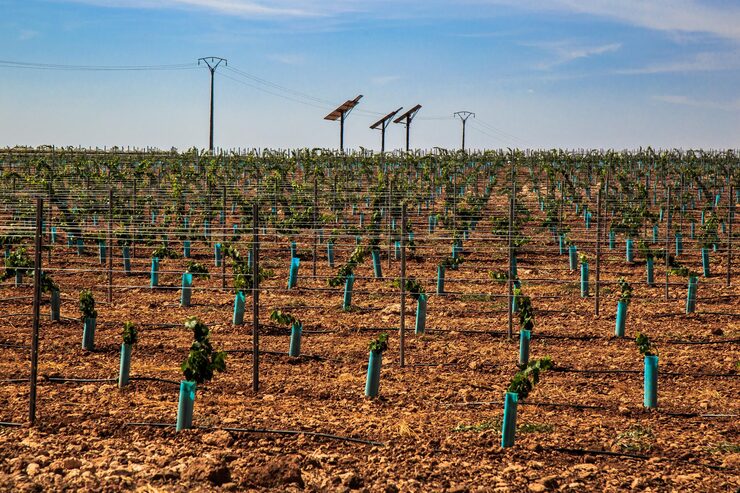
Climate change poses an existential threat to communities worldwide, particularly those in low- and middle-income countries that lack the resources to adapt. SZM’s Climate Change Adaptation work focuses on empowering these communities to reduce their vulnerability and thrive in a changing climate—using solar power and sustainable technologies as key tools. One critical area of focus is supporting small-scale farmers, who are among the most affected by climate impacts like droughts, floods, and extreme temperatures. In East Africa, SZM has partnered with local agricultural organizations to install solar-powered irrigation systems, which enable farmers to water crops even during dry seasons. These systems not only increase crop yields by up to 40% but also reduce reliance on fossil fuels, lowering agricultural carbon footprints. SZM also provides farmers with climate-smart training, teaching them how to use sustainable farming practices (like crop rotation and organic fertilizers) alongside solar technology.
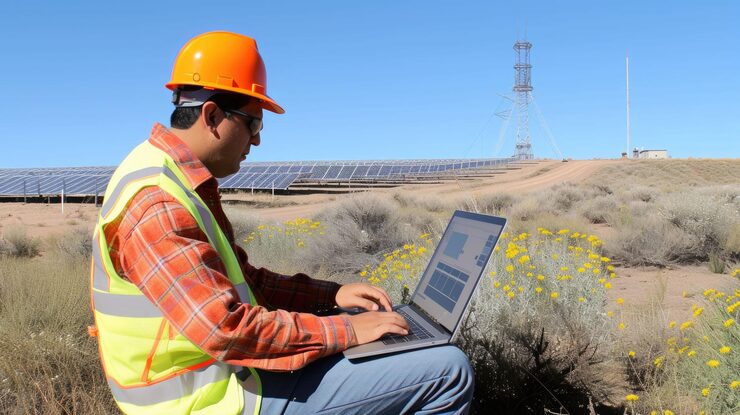
Another priority for SZM is protecting communities from climate-related disasters, such as floods and hurricanes. In coastal regions of South Asia, SZM has implemented “Ecosystem-Based Adaptation” projects that combine sustainable technology with natural solutions. For example, in Nepal, SZM is installing solar-powered weather monitoring systems. These systems send real-time alerts to communities about incoming storms, giving residents time to evacuate and protect their homes. In addition, SZM builds climate-resilient housing using local, sustainable materials and solar-powered lighting, ensuring that homes remain safe and functional even after disasters.
SZM collaborates with local governments, NGOs, and private sector partners to integrate sustainable technologies into national and regional climate policies. In Central America, SZM worked with local governments to develop a “Solar Adaptation Roadmap”, which outlines how solar power can be used to enhance water security, improve disaster response, and support rural livelihoods. The roadmap has since been adopted by both countries, leading to the installation of over 100 solar-powered water treatment plants and 50 disaster response hubs. By combining community-level action with policy advocacy, SZM ensures that climate adaptation efforts are inclusive, scalable, and aligned with global sustainability goals.