Education: Promoting Equity and Efficiency via Clean Energy

Education is a cornerstone of SZM’s mission to break cycles of inequality, as access to quality learning empowers individuals to shape their futures and contribute to community development. A key focus of this work is addressing the “energy-education gap” that plagues underserved regions: in many low-resource areas, unreliable or nonexistent electricity forces schools to close early, limits access to digital learning tools, and compromises the quality of instruction. To solve this, SZM deploys clean energy solutions—such as solar-powered classrooms, portable solar lanterns for students, and energy-efficient school infrastructure—to ensure consistent, safe learning environments. For example, in rural communities, SZM has partnered with local organizations to install solar panels in over 50 primary schools, extending class hours by 3–4 hours daily and enabling teachers to use digital educational resources that were previously inaccessible.
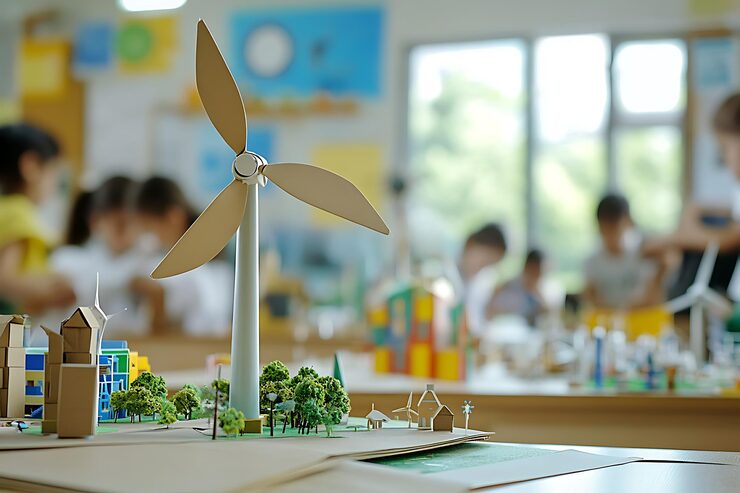
Beyond infrastructure, SZM prioritizes educational equity by tailoring programs to marginalized groups, including girls, children with disabilities, and refugee populations. In conflict-affected regions, SZM’s “Solar Learning Hubs” provide mobile, solar-powered tents equipped with laptops, textbooks, and trained educators—reaching over 12,000 refugee children who would otherwise be out of school. These hubs not only deliver core academic curricula but also integrate lessons on sustainability, teaching children how clean energy can address community challenges. By centering equity in every design choice, SZM ensures that no group is left behind in the transition to more inclusive education systems.
SZM invests in capacity building for educators and community leaders. The organization offers training programs that teach teachers how to integrate clean energy and sustainability into lesson plans, as well as how to maintain solar-powered educational equipment. In addition, SZM works with local school boards and community groups to develop policies that prioritize clean energy in education planning—ensuring that solar-powered schools and sustainable learning practices become permanent fixtures rather than temporary interventions. This holistic approach—combining infrastructure, targeted outreach, and capacity building—positions education as a catalyst for both individual empowerment and community-wide sustainable development.